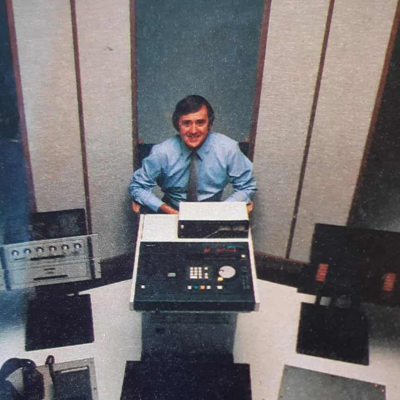
Gale Electronics was a London-based hi-fi company founded in the early 1970s by Ira Gale, an American audio enthusiast determined to fuse technical rigour with striking industrial design.
Key Figures
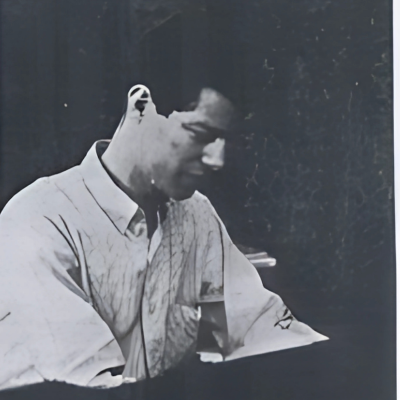
Ira Gale Founder • Technical Direction
Visionary founder of Gale Electronics — an American engineer whose obsession with design precision and experimentation defined the company’s DNA. Known for combining technical curiosity with an uncompromising eye for form.
Built the first working GS401 prototype in his London workshop before formal production began.
Forged the partnership with Jon Bannenberg to give the GS401 its iconic sculptural identity.
Collaborated with Dr Sao Win and DCA Design Consultants on the GT2101’s servo-controlled motor system.
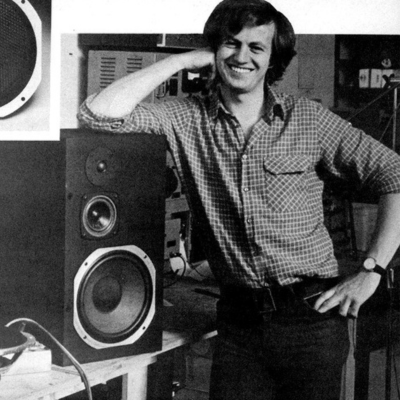
David Lyth Production • Loudspeaker Engineering
Production lead on the GS401—turned Ira’s prototype into a stable, repeatable product with defined jigs, sourcing and QC. Later founded Volt Loudspeakers.
Moved from early CTS 8-inch woofers to British-built units; tightened tolerances on baffle/crossover assembly.
“It was all about production” — standardised steps and checks so every pair matched.
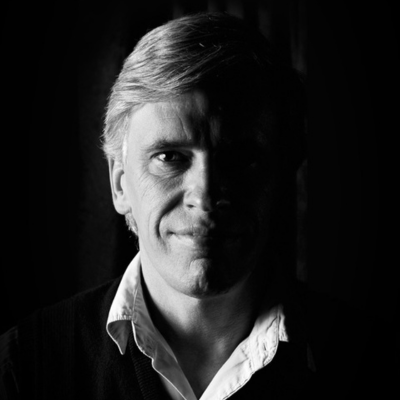
Information about Billy’s time at Gale is limited, but he is believed to have contributed to aspects of acoustic refinement during the GS401’s development. His later founding of ATC Loudspeakers suggests that his brief involvement at Gale left an early and lasting impression on his approach to loudspeaker design.
Provided early technical input during the GS401’s formative stages.
Later founded ATC Loudspeakers, applying many of the engineering principles that defined his later success.
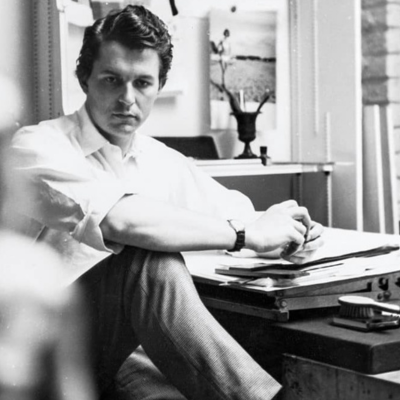
Jon Bannenberg Styling • Industrial Design
Australian-born designer who brought a sculptural, architectural sensibility to Gale’s products. His work on the GS401 gave British hi-fi one of its most iconic visual identities. Bannenberg later became recognised worldwide as a pioneer of modern yacht design through the 1970s and 1980s.
Conceived the GS401’s defining look, chrome end caps, fully wrapped cloth, and balanced proportions.
Introduced design language that bridged audio, architecture, and luxury yacht styling.
Went on to establish an international reputation, shaping the field of contemporary yacht design.
Ray Churchhouse Trade • Industry Provenance
A major figure in British hi-fi retail and distribution, Ray supplied components to Gale during its formative period and later worked with Quad. He founded one of London’s most successful and respected hi-fi stores, known for serving musicians, producers, and celebrities throughout the 1970s and 1980s.
Key supplier and adviser to Ira Gale during the early GS401 experiments.
Founder of a leading London hi-fi shop, selling to some of the biggest names in music.
Later joined Quad, continuing his influence across the UK audio industry.
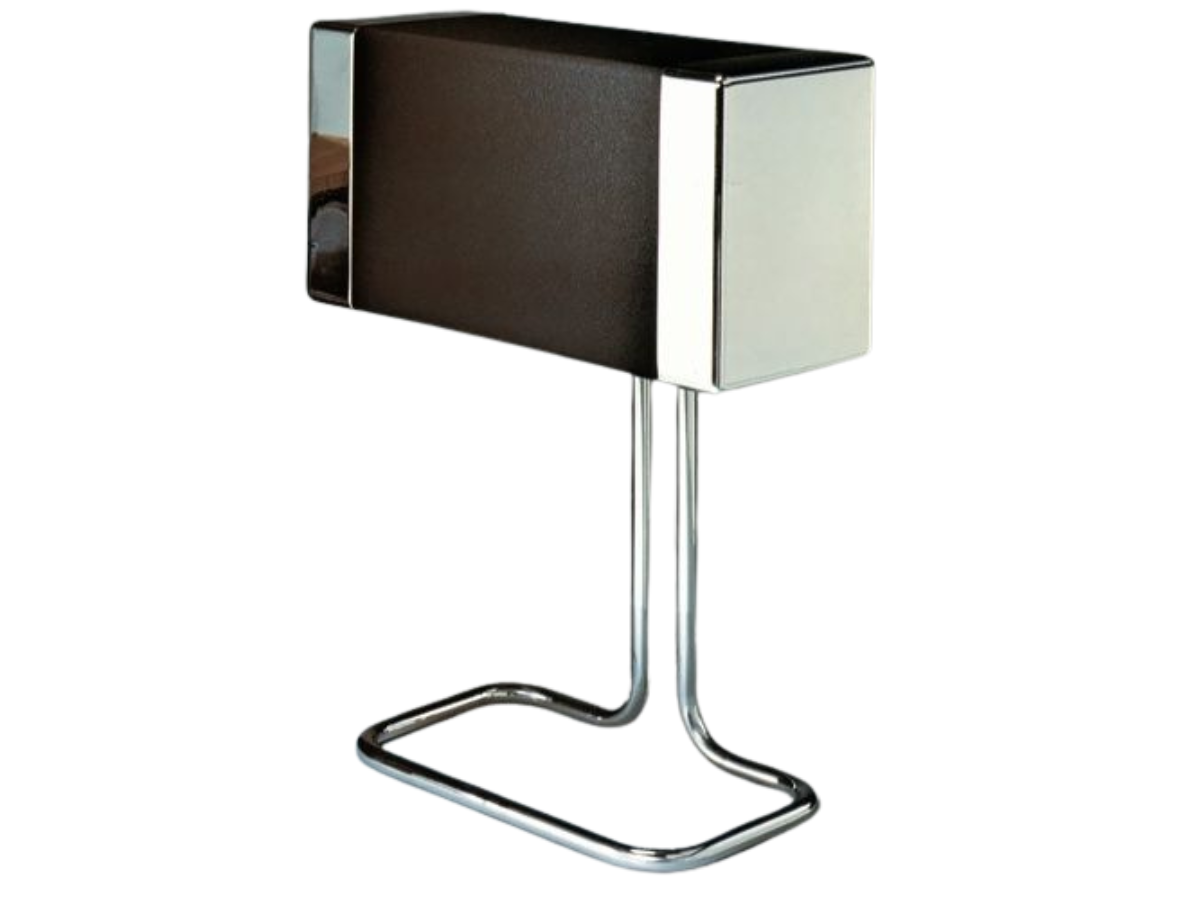
The first product, the GS401, originated from a working prototype that Ira Gale had already developed before any formal team was assembled.
When David Lyth (later founder of Volt) joined, he recalled that “it was all about production” rather than a clean-sheet design, as Ira already had a functioning model. Billy Woodman (later founder of ATC) helped refine and industrialise what was taking shape.
Jon Bannenberg’s sculptural styling — chrome end caps and fully wrapped cloth — was conceived early and became a defining signature.
Revisions:401A (chrome end caps), 401B (walnut cabinet with flat grille), 401C (curved grille).
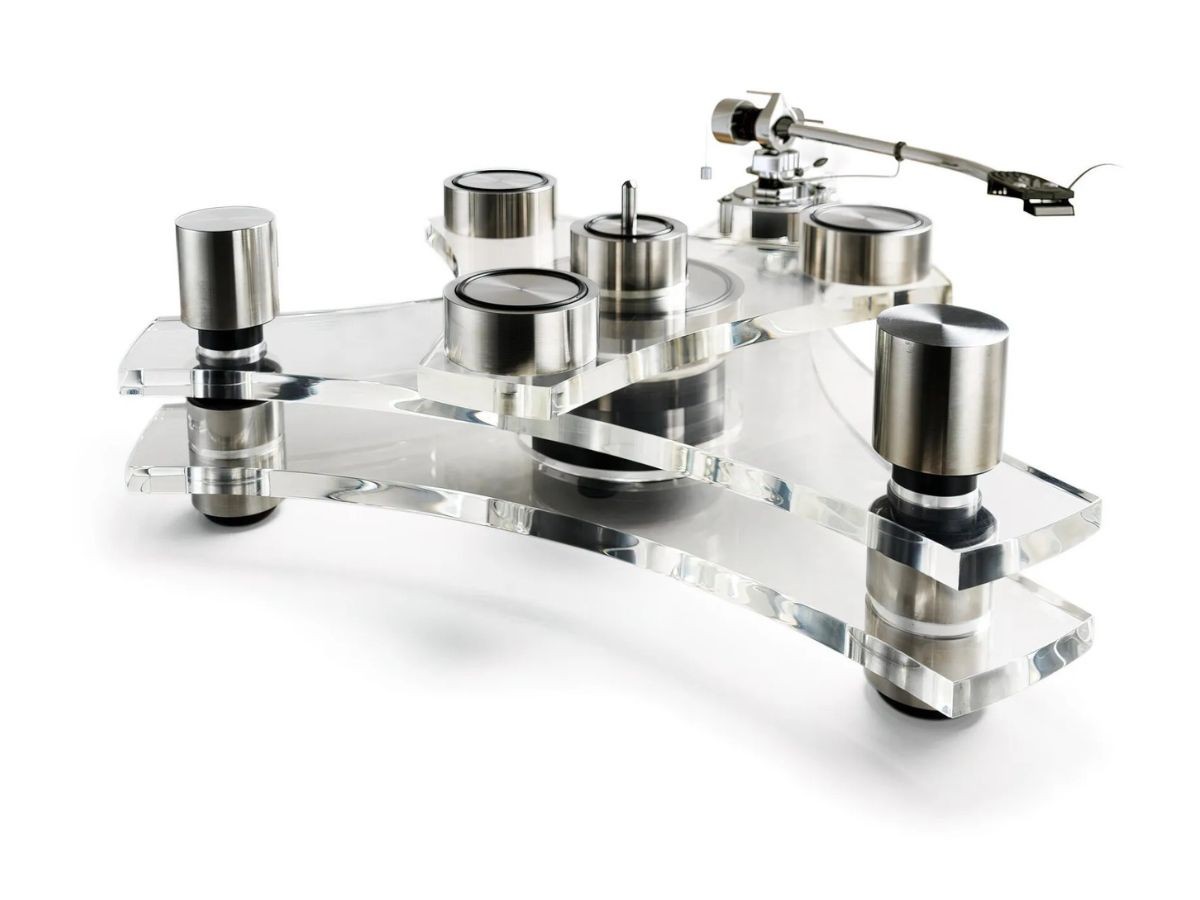
Gale GT2101 — design collaboration with DCA.
1975 — The GT2101 Turntable
The Gale GT2101, developed with John Carter’s DCA Design Consultants, was Gale’s most ambitious statement. Its transparent acrylic chassis, stainless-steel motor pod and LED speed-display tower reflected the scientific precision of a servo-controlled direct-drive motor system co-developed by Dr Sao Win and Ira Gale.
Each unit was hand-built in London; fewer than a hundred are known to exist. Today it remains one of the rarest and most visually striking British turntables.
1977–1982 — Amplifiers and Later Years
By the late 1970s Gale expanded into amplifiers and accessories, pursuing the same blend of performance and design innovation. Production ceased in the early 1980s, but Gale products have since achieved cult status among collectors and listeners.
Legacy and Preservation
This Gale Electronics Archive and the Vintage Gale project exist to preserve the technical, visual and historical record of the company’s work — including schematics, PCB layouts, adverts, driver data and interviews with the original engineers.
The archive builds on the decades of support provided by Dave Smith, who assisted Gale owners for over forty years. Due to ill health, Dave can no longer continue; the baton has passed to Matt, ensuring Gale’s legacy is maintained with the same care and attention to detail.
A memory that captures Ira Gale’s character comes from Ray Churchhouse, who recalled Ira visiting his shop in the early 1970s and buying top-end components not to listen to — but to take apart and understand.
“I knew he was going to pull it to bits the moment he left the shop,” said Ray. “He wanted to understand every part of it.”
Together, these archives ensure that Gale’s contribution to British hi-fi design remains accessible to restorers, researchers and enthusiasts worldwide.
Sources and Acknowledgements
Original documentation from GaleAudio.com
Interviews with David Lyth (Volt Loudspeakers), Bruce Gale, and Ray Churchhouse
Styling records from Jon Bannenberg / Bannenberg & Rowell Design
Technical data from DCA Design Consultants
Research and curation by John Maybury (galeaudio.com), Dave Smith & Matt The Shepherd (Vintage Gale, UK)
Contributions from the international Gale community